
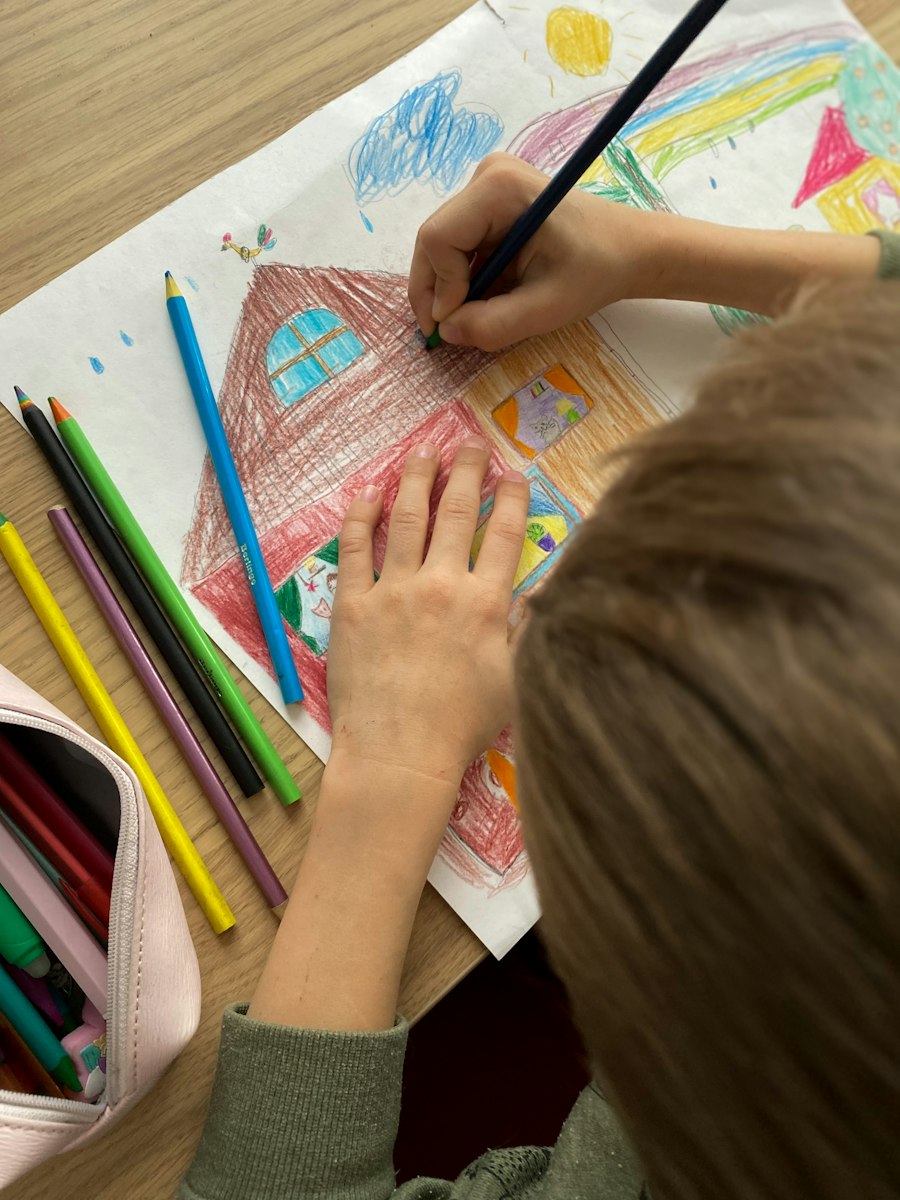
In the first sessions a child can simply play. That's fine: trust comes first.
to talk
A calm place
for children
and their parents
We play
we listen
we work it out
together
Children rarely say "I'm anxious". They stop sleeping, cling to you at the school gate, or explode over a sock. I help you work out what your child is trying to say, and what to do about it.
For children aged 3 to 14. In my Kyiv playroom or online, wherever your family is now.
I don't fix children, and I don't judge parents. My job is to find the reason behind the behaviour and give you something you can try at home this week. Most of my work happens through play, because that's how children under twelve talk about what's hard.
How sessions work→
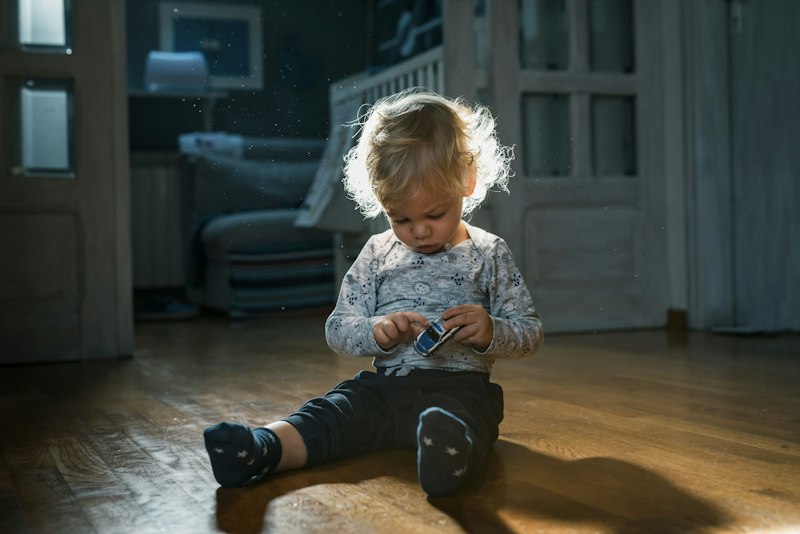
Afraid of the dark, of being alone, of sirens. Stomach aches before school that the doctor can't explain.
Won't fall asleep without you, wakes up at night, has nightmares, has started wetting the bed again.
Meltdowns that last an hour, hitting a younger sibling, slamming doors, then crying and saying sorry.
A new country, a new language, a new school. Or a return home that doesn't feel like home anymore.
Shelling, nights in the corridor, time apart from a parent. Children often react later than adults, sometimes months later.
Someone close has died or left, and you don't know what to tell a five-year-old.
Doesn't want to go, has no friends, is being bullied or is bullying others.
A divorce, a new baby, a parent away at the front. The family changes shape, and your child has to find their place in it.
Tick what has been true for more than three weeks. This isn't a diagnosis. It helps you decide whether to call.
If your child talks about wanting to die or hurting themselves, don't wait for an appointment. Call 112, or the National Child Hotline on 116 111.
Book a first meeting→
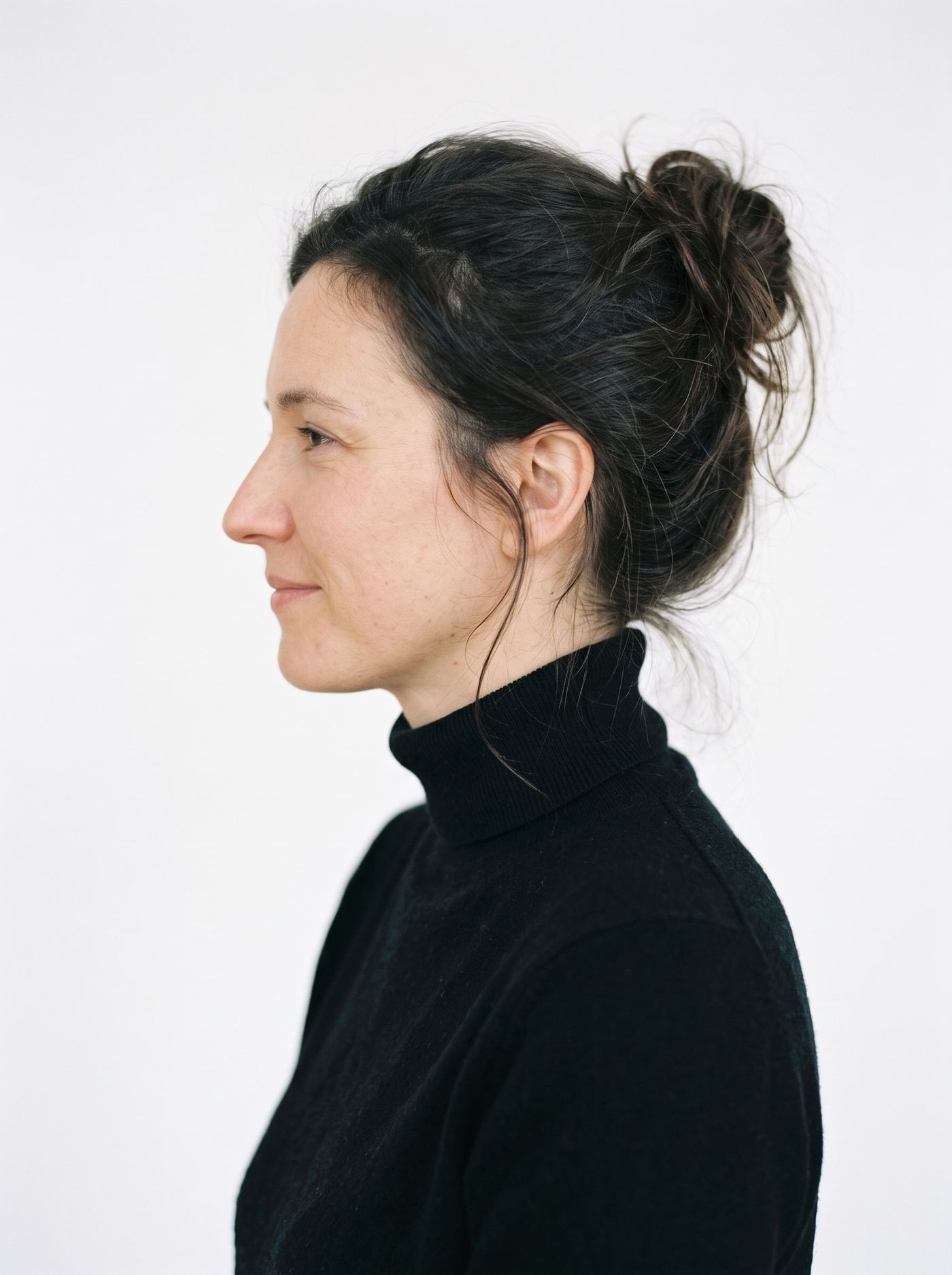
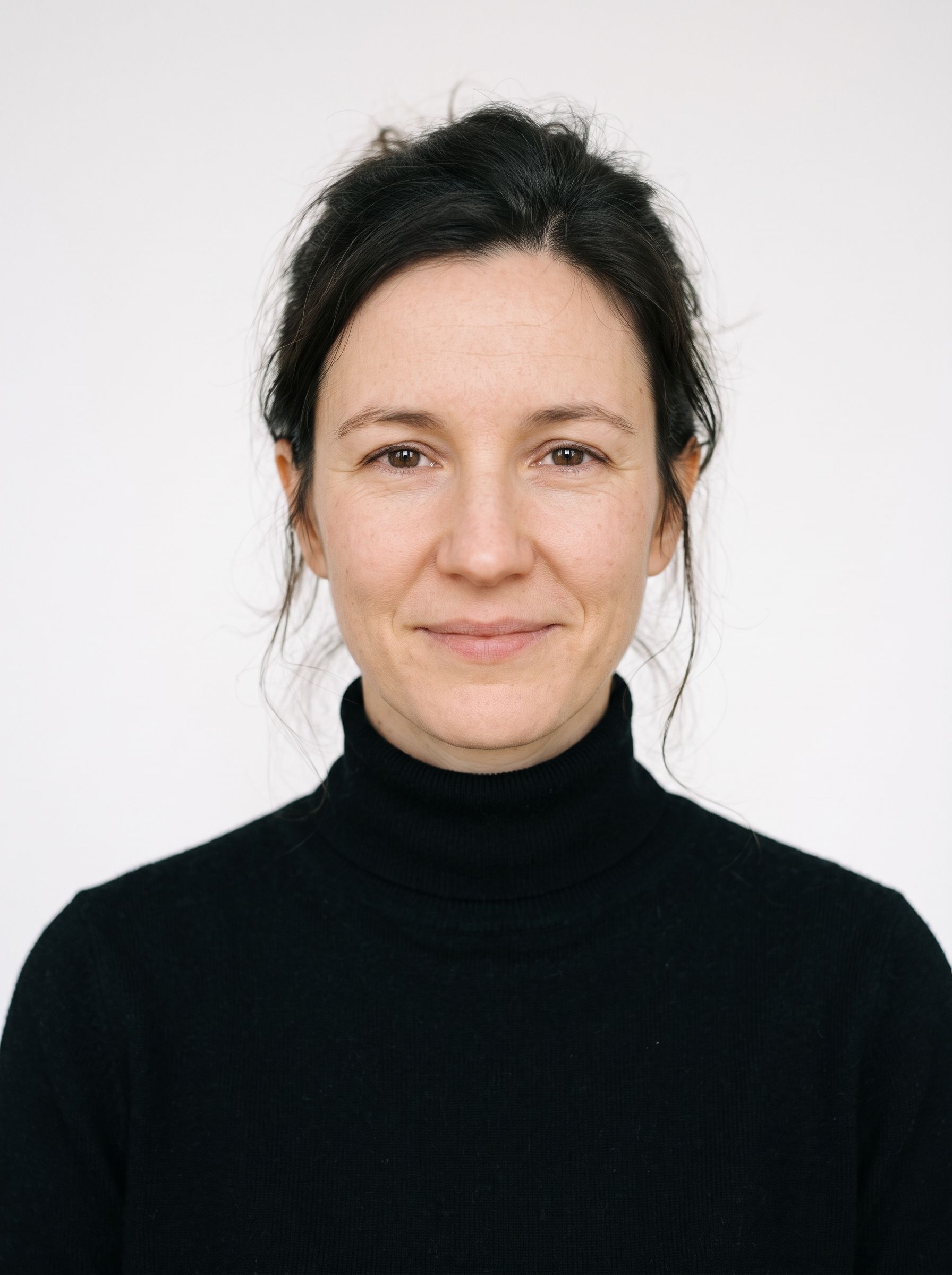
Zlata Koval, child psychologist
I'm a child psychologist in Kyiv. I trained in clinical psychology, then spent two more years learning play therapy and sandplay, because talking at children across a desk wasn't working.
Since 2022, most of the families I see have been through something frightening: nights in shelters, a move abroad, a parent at the front. I trained in trauma-focused CBT for children so I could help them properly.
I have a seven-year-old son. He doesn't care that I'm a psychologist, and he still refuses to wear a hat.
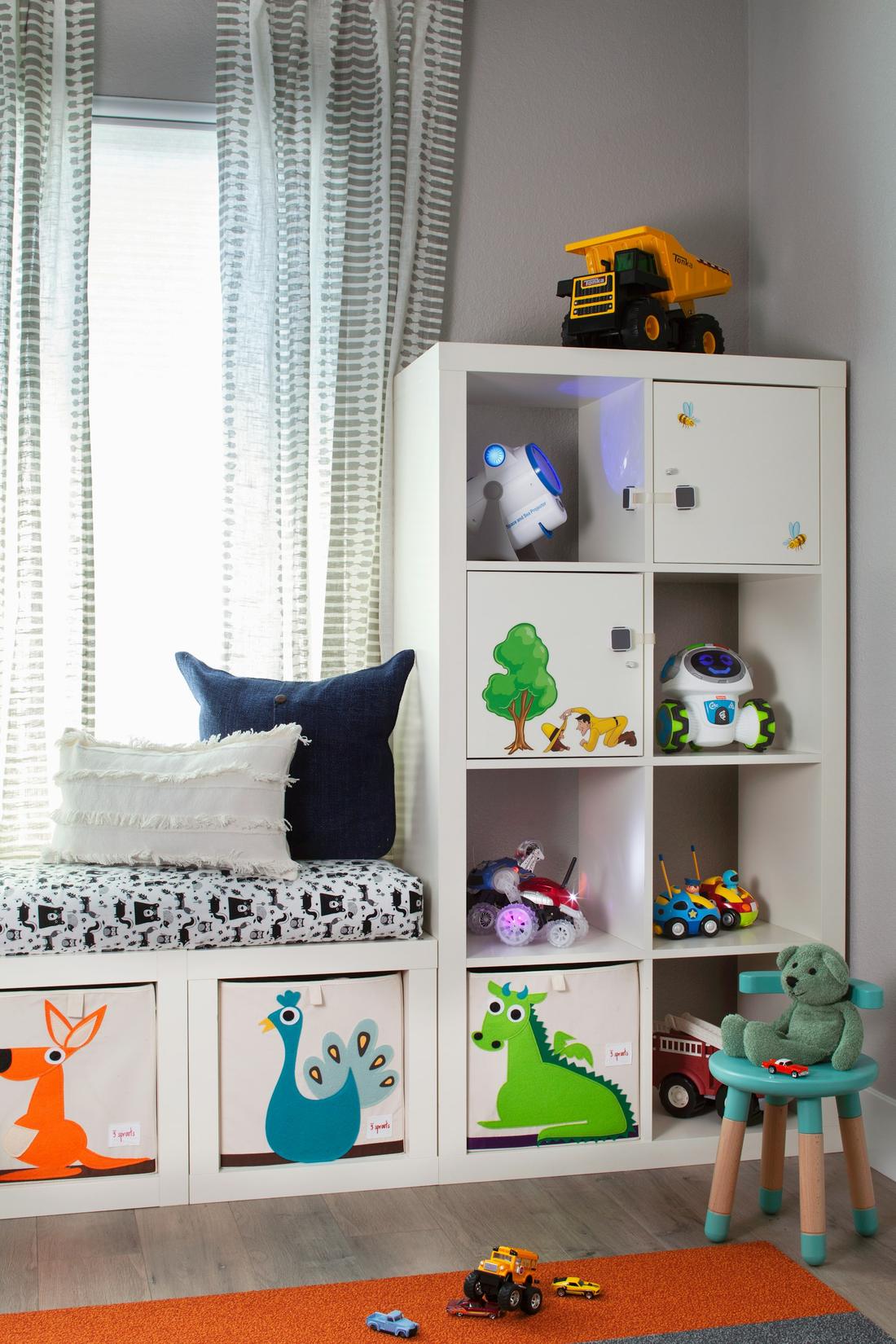
To a child it looks like a room full of toys. To me it's a set of tools. Here's what each one is for.
Online sessions use the same tools. Before we start, I post you a small kit: a few figures, clay and feelings cards.

You tell me briefly what's going on, and I tell you honestly whether I'm the right person. If I'm not, I'll suggest who is.
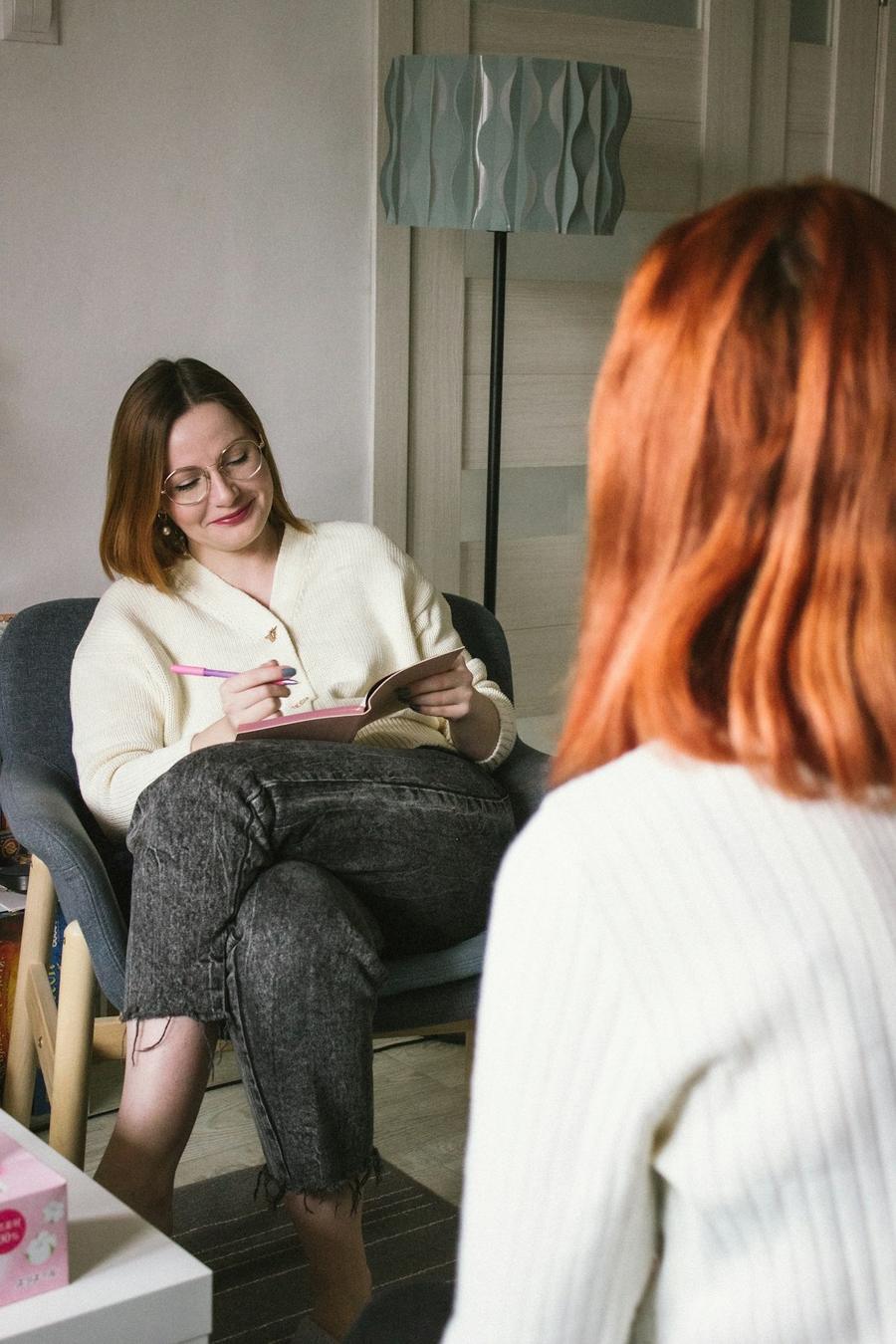
We talk about your child's history, what worries you and what you've already tried. You leave with a first plan and a couple of things to try at home.
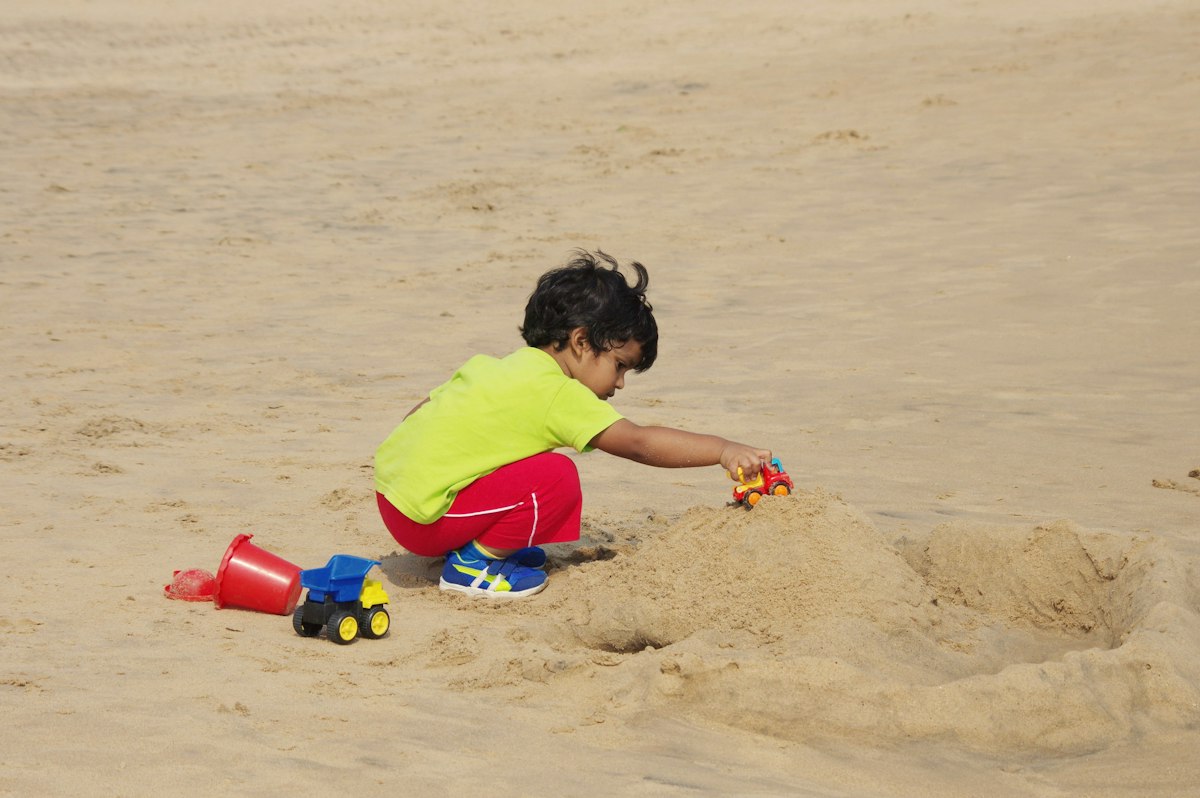
Your child comes to play. I watch, ask very little and let them lead. Then we meet again, I tell you what I've seen, and we agree on how many sessions we'll need.

Usually between 8 and 16 sessions. Every four or five weeks we meet without your child to look at what's changing.
We don't stop suddenly. Sessions move to every other week, then we say a proper goodbye. You can always come back for a check-in.


To see whether we're a good fit.
Book→Without your child. This is where we usually start.
Book→Through play. Online for children aged 6 and up; with younger ones I work through the parents.
Book→You can pay in two parts.
Book→I keep four places a month at half price for families who have lost their home or a parent in the war. Just ask. I won't need documents.
You can cancel or move a session for free up to 24 hours before. Air raid alerts never count as cancellations: we just find another time.
Demo reviews for a portfolio concept.
Short guides I give parents after the first meeting. Print them out, stick them on the fridge and try one tonight.
Book a free call→Yes, but you don't need to make a big thing of it. Something like: "There's a woman who helps children when things feel hard. She has a room full of toys." Before the first session we'll agree on what to say.
I'll tell you what you need to know to help: the themes, the progress and what to do at home. I won't repeat a child's words back to you, because they need to trust the room. If I learn that your child is in danger, I'll tell you straight away.
For children aged 6 and up, yes, with the small kit of figures and clay I post to you. With younger children I usually work online with the parents, and see the child in person if you're in Kyiv.
No. I'm a psychologist, not a psychiatrist. If I think your child needs a medical assessment, I'll say so and recommend a child psychiatrist or neurologist I trust.
I can help with the emotional side: anxiety, meltdowns, friendships. Diagnosis and specialised therapy belong with neurologists and developmental specialists, and I'll point you to good ones.
In Kyiv we go down to the shelter in the building, and if your child is calm we carry on there. Online, we pause and reschedule. Alerts never count as a cancellation.
Most families notice the first changes in six to eight weeks. Sleep and tantrums often improve sooner. Grief and trauma take longer. At every parent meeting we check whether it's working.
Please do. It helps me to hear both of you. If you're separated, we can meet separately.
Fill in the form and I'll reply within a day, usually sooner. The first call is free and takes 15 minutes.